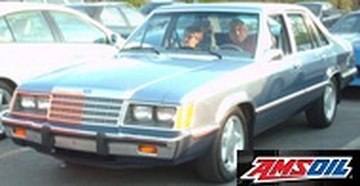
Engine Oil Maintenance for your 1983 Ford LTD 2.3L
Maintaining proper lubrication is one of the most critical aspects of preserving the longevity and operational integrity of your vehicle's engine. For a 1983 Ford LTD equipped with a 2.3L engine, regular oil service ensures that internal components remain coated, friction is minimized, and contaminants are removed from the system.
How often should I change the oil in my 1983 Ford LTD 2.3L?
To determine the correct interval for your specific vehicle, you should follow the owner's manual or the manufacturer maintenance schedule. Do not rely on generalized estimates, as the official documentation provides the necessary guidance for your engine's upkeep.
Understanding Engine Oil Viscosity
Viscosity refers to a fluid's resistance to flow. In an internal combustion engine, the oil must be thin enough to circulate quickly during a cold start but thick enough to maintain a protective film when the engine reaches operating temperature. For this specific 1983 Ford LTD application, 5W-30 is the database-allowed viscosity.
Using the correct viscosity helps ensure that oil reaches critical upper-engine components, such as valves and camshafts, without undue delay. While modern oils often feature advanced additive packages, adhering to the specified viscosity grade remains a fundamental part of engine care.
The Role of the Oil Filter
Every time you perform an oil change, the oil filter should be replaced. The filter is responsible for capturing microscopic debris, metal shavings, and carbon deposits that naturally accumulate in the engine oil during operation. If a filter becomes saturated with contaminants, it can restrict oil flow or allow dirty oil to recirculate through the engine.
When selecting a replacement, ensure you are using a filter listed for this vehicle. While different filters may have varying physical designs, their primary function is to maintain clean oil circulation throughout the lubrication system.
Monitoring Oil Levels and Condition
Regularly checking the engine oil level using the dipstick is a simple but vital maintenance habit. Low oil levels can lead to increased friction, overheating, and potential mechanical failure. You should check the level when the engine is cold and parked on level ground to ensure an accurate reading.
In addition to quantity, pay attention to the physical condition of the oil. If the oil appears excessively dark, gritty, or smells burnt, it may indicate that the oil has broken down or that the engine is experiencing unusual operating conditions. Consistent monitoring allows you to address potential issues before they escalate into significant mechanical problems.
Identifying Potential Leaks
Oil leaks can lead to sudden drops in oil pressure and fluid loss. Common areas where leaks may occur include valve cover gaskets, oil pan gaskets, and various seals throughout the engine block. If you notice oil spots on your driveway or smell burning oil while driving, it is important to inspect the engine compartment.
Small seeps are common in older vehicles, but active drips or significant puddles require immediate attention. Maintaining a clean engine bay can also make it easier to spot new leaks as they develop.
The Importance of Cleanliness in Lubrication
Engine oil does more than just lubricate; it also acts as a cleaning agent by suspending contaminants so they can be trapped by the filter. Over time, moisture and combustion byproducts can enter the oil, leading to the formation of sludge. Sludge is a thick, gel-like substance that can clog narrow oil passages and prevent proper lubrication.
Following the manufacturer's recommended service intervals helps prevent the buildup of these harmful substances. Keeping the lubrication system clean is essential for maintaining consistent oil pressure and protecting moving parts from premature wear.
What engine oil is listed for my 1983 Ford LTD 2.3L?
The following engine oils are listed for this vehicle:
- Signature Series 5W-30 Synthetic Motor Oil (ASLQT-EA)
- XL 5W-30 Synthetic Motor Oil (XLFQT-EA)
- OE 5W-30 Synthetic Motor Oil (OEFQT-EA)
BUYING ENGINE OIL
When you are ready to purchase supplies, look for products that meet the requirements for your 1983 Ford LTD 2.3L. Focus on obtaining the correct viscosity grade as specified in your documentation. When shopping, check the labels to ensure the oil is listed for your specific engine application and consider whether a conventional or synthetic-based product is appropriate for your maintenance needs based on the manufacturer's guidance.